



- August 9, 2025
- Post by: Drop That Code
- Post by: No Comments
Understanding Your Audience: The First Step to Best Website Design

Great design begins with empathy. To create a website that resonates, you must first understand who your audience is, what they value, and how they interact with digital spaces. Conduct user research, analyze demographics, and develop detailed personas. This foundational knowledge allows you to tailor every aspect of your site—from content to navigation—to meet your users’ needs and exceed their expectations. Get the best website design on dropthatcode.
Top Features of User-Friendly Website Layouts

User-friendly layouts are intuitive, accessible, and visually organized. Key features include clear navigation menus, logical content hierarchy, responsive design, and prominent calls-to-action. Ample white space, legible typography, and consistent branding enhance usability. Prioritize accessibility by ensuring your site is navigable by keyboard and screen readers, making your content available to all.
Enhancing efficiency in web design can greatly impact a website’s overall success. By streamlining processes, using design systems, and leveraging automated tools, time and resources can be conserved, allowing more focus on creative and strategic elements. Efficient design practices not only speed up the development process but also lead to smoother user experiences and increased engagement.
Visual Appeal Versus Functionality: Striking the Right Balance

A visually stunning website draws visitors in, but functionality keeps them engaged. Balance is achieved by integrating compelling visuals—such as high-quality images and cohesive colour schemes—without sacrificing usability. Ensure fast load times, intuitive navigation, and accessible design. Remember, a beautiful site that’s difficult to use will quickly lose its audience.
The best website design combines aesthetic appeal with practicality, providing users with an experience that is both visually pleasing and functionally robust. It adheres to the brand’s identity while also being adaptable to future technological advancements. A well-designed website prioritizes user engagement and satisfaction by leveraging intuitive navigation, engaging content, and responsive design elements tailored to the audience’s needs and preferences.
Choosing the Right Tools and Platforms for Your Site

Selecting the right tools and platforms is essential for building a site that aligns with your goals. Consider your technical expertise, budget, and scalability needs. Platforms like WordPress, Wix, and Shopify offer diverse features for different requirements. Evaluate customization options, integration capabilities, and support resources to ensure your chosen solution can grow with your business.
Common Mistakes to Avoid When Building Your Site
Lorem ipsum dolor sit amet, consectetur adipiscing elit. Ut elit tellus, luctus nec ullaAvoid cluttered layouts, slow-loading pages, and inconsistent branding. Neglecting mobile optimization and accessibility can alienate users. Failing to implement SEO best practices or clear calls-to-action can hinder your site’s effectiveness. Regularly test your site, gather feedback, and update content to maintain a high standard of quality and relevance.
mcorper mattis, pulvinar dapibus leo.
Understanding Different Styles of Web Design
Web design styles range from minimalist and modern to bold and eclectic. Minimalist designs focus on simplicity and clarity, while modern styles incorporate dynamic visuals and interactive elements. Classic designs evoke trust and familiarity, whereas experimental styles push creative boundaries. Choose a style that aligns with your brand and appeals to your target audience.
Key Elements that Define an Effective Site

An effective website is clear, consistent, and purposeful. Essential elements include a compelling homepage, intuitive navigation, strong calls-to-action, and mobile responsiveness. High-quality visuals, fast load times, and trust signals—such as testimonials and secure payment options—build credibility and encourage engagement.
Tailoring Designs to Match Your Brand

Your website should be a true reflection of your brand. Use consistent colours, logos, and typography across all pages. Incorporate imagery and messaging that align with your brand’s personality and values. Custom graphics and unique layouts can set you apart, while a cohesive brand experience builds trust and recognition.
Choosing the Right Design Platform for You

The ideal design platform depends on your goals, technical skills, and budget. Drag-and-drop builders like Squarespace and Wix are user-friendly for beginners, while WordPress offers flexibility and scalability for advanced users. E-commerce platforms like Shopify are tailored for online stores. Assess your needs and future plans to select a platform that supports your vision.
Beyond Aesthetics: Ensuring User-Friendly Navigation

User-friendly navigation is the backbone of a successful website. Organize content logically with clear labels and intuitive menus. Implement breadcrumbs, search functionality, and well-placed calls-to-action. Avoid overwhelming users with too many options—simplicity is key. Regularly review analytics to identify and resolve navigation bottlenecks.
Understanding Your Audience
Knowing your audience is the cornerstone of effective web design. Analyze user data, conduct surveys, and create personas to understand their needs, preferences, and pain points. This insight informs every design decision, ensuring your site delivers value and fosters lasting connections.
Key Elements of Effective Web Layout

Effective web layouts guide users effortlessly through your content. Use a clear visual hierarchy, consistent grid systems, and strategic placement of calls-to-action. Balance text and visuals, and ensure your layout adapts seamlessly to different devices for a consistent user experience.
User Experience: What Matters Most

User experience (UX) is about meeting user needs efficiently and delightfully. Prioritize fast load times, intuitive navigation, and accessible design. Gather user feedback and iterate continuously to refine the experience. A positive UX builds trust, encourages engagement, and drives conversions.
Colours and Fonts That Stand Out

Colour and typography are powerful tools for brand expression. Choose a palette that reflects your brand’s personality and evokes the desired emotional response. Select fonts that are legible across devices and sizes. Use contrast to enhance readability and guide users’ attention to key elements.
Navigating the Future of Digital Platforms

Digital platforms are evolving rapidly, driven by advances in technology and changing user expectations. Stay ahead by embracing responsive design, integrating AI-driven personalization, and prioritizing accessibility. Future-ready sites are adaptable, scalable, and focused on delivering exceptional user experiences.
Identifying Your Website's Purpose

A clear purpose is the foundation of every successful website. Define your primary goals—whether it’s generating leads, selling products, or sharing information. Align your content, design, and functionality with these objectives to create a focused, effective online presence.
Key Elements of Effective Web Layouts

Effective layouts are visually organized, intuitive, and adaptable. Use consistent spacing, clear headings, and logical content flow. Ensure your layout is responsive, providing a seamless experience across devices. Prioritize usability and accessibility to reach the widest possible audience.
Top Tools and Resources for Designers

Empower your design process with industry-leading tools and resources. Adobe Creative Cloud, Figma, and Sketch offer robust capabilities for website design. Platforms like Unsplash and Pexels provide high-quality imagery, while Google Fonts and Adobe Fonts expand your typographic options. Stay inspired and informed with resources like Awwwards and Smashing Magazine.
Adapting Designs for User Experience

Adapt your designs by prioritizing user feedback and analytics. Test different layouts, colour schemes, and navigation structures to discover what resonates with your audience. Embrace responsive design and accessibility best practices to ensure every user enjoys a seamless experience.
Common Mistakes in Web Design and How to Avoid Them
Common mistakes include cluttered interfaces, poor mobile optimization, and inconsistent branding. Avoid these by focusing on simplicity, clarity, and consistency. Regularly test your site, gather user feedback, and stay updated on best practices to maintain a high standard of design.
Understanding User Experience in Web Design

User experience is the sum of all interactions a user has with your site. It encompasses usability, accessibility, and emotional impact. Prioritize intuitive navigation, fast load times, and inclusive design to create a positive, memorable experience for every visitor.
Choosing the Right Colour Palette and Fonts
Select a colour palette that aligns with your brand and appeals to your audience. Use colour theory to create harmony and contrast. Choose fonts that are legible and versatile, and limit the number of typefaces to maintain visual cohesion. Consistency in colour and typography strengthens your brand identity.
Importance of Mobile-Friendly Design

With the majority of web traffic coming from mobile devices, mobile-friendly design is essential. Use responsive layouts, scalable images, and touch-friendly navigation. Test your site on various devices to ensure a seamless experience for all users, regardless of screen size.
Navigating Modern Design Trends: A Guide

Stay ahead by embracing modern design trends such as minimalism, bold typography, and immersive visuals. Incorporate micro-interactions, dark mode, and AI-driven personalization to enhance engagement. Balance trend adoption with timeless design principles to ensure longevity and relevance.
Tips for Selecting the Perfect Website Template

Choose a template that aligns with your brand, supports your content strategy, and offers customization options. Prioritize templates that are responsive, accessible, and optimized for SEO. Preview templates on multiple devices and read user reviews to ensure quality and reliability.
Understanding Your Audience's Preferences

Delve into analytics, conduct surveys, and engage with your audience to uncover their preferences. Use this insight to inform design decisions, from layout and colour scheme to content and functionality. Meeting your audience’s preferences fosters loyalty and drives engagement.
Key Elements of a User-Friendly Site

User-friendly sites are intuitive, accessible, and efficient. Key elements include clear navigation, fast load times, mobile responsiveness, and accessible design. Use concise messaging, prominent calls-to-action, and consistent branding to guide users and build trust.
Mobile Responsiveness: A Crucial Factor

Mobile responsiveness ensures your site looks and functions perfectly on any device. Use flexible grids, scalable images, and adaptive layouts. Test your site on various devices and browsers to guarantee a seamless experience for all users.
Colours and Typography: Creating Visual Impact

Strategic use of colour and typography creates a memorable visual identity. Choose colours that evoke the right emotions and support readability. Select fonts that are legible and reflect your brand’s personality. Use hierarchy and contrast to guide users’ attention and enhance engagement.
Evaluating and Choosing Among Design Options

Evaluate design options by considering usability, aesthetics, scalability, and alignment with your brand. Gather feedback from stakeholders and users, and use A/B testing to compare alternatives. Choose the option that best supports your goals and delivers a superior user experience.
Factors to Consider When Choosing a Web Design

Consider your audience, brand identity, content strategy, and technical requirements. Evaluate design trends, platform capabilities, and budget constraints. Prioritize flexibility and scalability to ensure your site can evolve with your needs.
Essential Elements of an Effective Website

An effective website features clear messaging, intuitive navigation, strong calls-to-action, and mobile responsiveness. High-quality visuals, fast load times, and trust signals—such as testimonials and secure payment options—build credibility and drive conversions.
Top Design Trends to Inspire Your Site

Stay inspired by exploring trends like minimalism, bold typography, immersive visuals, and micro-interactions. Embrace dark mode, AI-driven personalization, and sustainable design practices. Adapt trends thoughtfully to enhance your site’s appeal and functionality.
User Experience: The Key to Successful Design

User experience is the foundation of successful design. Prioritize usability, accessibility, and emotional impact. Gather feedback, iterate continuously, and stay informed about best practices to create a site that delights and engages users.
Choosing the Right Style; Modern, Minimalist, or Bold?

Select a style that aligns with your brand and audience. Modern styles offer dynamic visuals and interactivity. Minimalist designs focus on clarity and simplicity. Bold styles use vibrant colours and striking layouts to make a statement. Choose the approach that best communicates your message.
Key Elements of Outstanding Web Pages

Outstanding web pages feature compelling content, intuitive navigation, and visually engaging layouts. Use high-quality images, clear calls-to-action, and consistent branding. Prioritize accessibility and mobile responsiveness to reach the widest audience.
Tailoring Online Spaces to Fit Your Brand

Customize your site with brand colours, logos, and messaging. Use imagery and tone that reflect your brand’s personality. Consistent branding across all touchpoints builds trust and recognition, setting you apart from competitors.
Exploring Contemporary Digital Aesthetics

Contemporary aesthetics blend minimalism, bold typography, and immersive visuals. Embrace whitespace, dynamic layouts, and interactive elements. Stay current with trends while maintaining a unique brand identity to create a memorable digital presence.
User Experience: The Heart of Successful Design

At the core of every successful design is a focus on user experience. Prioritize intuitive navigation, fast load times, and accessible content. Gather feedback and iterate to ensure your site meets and exceeds user expectations.
Elevate Your Site: Proven Strategies

Elevate your site by optimizing for speed, enhancing mobile responsiveness, and refining your content strategy. Use analytics to identify improvement areas, implement SEO best practices, and regularly update your design to stay current and competitive.
Identifying Your Website's Purpose

Define your website’s primary goal—whether it’s to inform, sell, or engage. Align your content, design, and functionality with this purpose to create a focused and effective online presence.
Key Elements of Effective Layouts
Effective layouts use clear visual hierarchy, consistent spacing, and logical content flow. Ensure your layout adapts to different devices and supports user goals. Prioritize usability and accessibility for a seamless experience.
Exploring Design Trends and Innovations

Stay ahead by exploring trends like immersive visuals, micro-interactions, and AI-driven personalization. Embrace innovation while maintaining usability and brand consistency to create a site that stands out.
Navigating the Choice Between Templates and Custom Builds

Templates offer speed and affordability, while custom builds provide flexibility and uniqueness. Assess your needs, budget, and long-term goals to choose the best approach for your project.
Making User Experience a Priority

Prioritize user experience by focusing on usability, accessibility, and emotional impact. Gather feedback, test regularly, and iterate to ensure your site meets user needs and expectations.
Evaluating Your Design Preferences

Reflect on your brand identity, audience, and goals to evaluate design preferences. Gather inspiration from competitors and industry leaders, and test different styles to discover what resonates most.
Essential Features of an Effective Site

Effective sites feature clear navigation, fast load times, mobile responsiveness, and strong calls-to-action. Use high-quality visuals and consistent branding to build trust and engagement.
Boosting site efficiency is essential for a superior user experience. By optimizing code, compressing images, and using a reliable hosting provider, you can ensure your website loads quickly and operates smoothly. Effective caching strategies and minimizing redirects further contribute to this efficiency, enhancing both usability and search engine performance.
To achieve the best website design, it’s important to focus on creating a visually appealing and user-friendly environment. This involves combining great aesthetics with seamless functionality, ensuring that each element serves a purpose and complements the overall design. Consider the integration of intuitive navigation, engaging calls-to-action, and responsive layouts that adjust seamlessly across various devices. By prioritizing these aspects, you can elevate your website’s design to effectively communicate your brand’s message and resonate with your target audience.
Choosing the Right Design Tools

Select tools that match your workflow and project needs. Adobe Creative Cloud, Figma, and Sketch offer robust design capabilities. Evaluate integration options, collaboration features, and support resources.
Trends That Shape Modern Web Pages

Modern web pages are shaped by trends like minimalism, bold typography, immersive visuals, and AI-driven personalization. Stay informed and adapt trends thoughtfully to enhance your site’s appeal.
Enhance User Experience: Tips and Tricks

Enhance UX by optimizing load times, simplifying navigation, and prioritizing accessibility. Use analytics to identify pain points and continuously refine your design based on user feedback.
Key Elements of a Successful Web Layout

Successful layouts use clear hierarchy, consistent grids, and strategic placement of calls-to-action. Balance text and visuals, and ensure adaptability across devices for a cohesive experience.
Choosing the Right Style for Your Audience

Understand your audience’s preferences and select a style that resonates. Modern, minimalist, or bold—choose the approach that best communicates your message and supports your brand.
Essential Features for User-Friendly Navigation

User-friendly navigation includes clear menus, logical structure, and accessible design. Use breadcrumbs, search functionality, and well-placed calls-to-action to guide users seamlessly.
What Makes a Site Visually Appealing?

Visual appeal is created through cohesive colour schemes, high-quality images, balanced layouts, and engaging typography. Consistency and attention to detail enhance your site’s professional appearance.
Design Trends to Elevate Your Online Presence

Elevate your presence with trends like immersive visuals, micro-interactions, and dark mode. Adapt trends to fit your brand and audience for a fresh, engaging site.
Factors to Consider in Choosing Your Website Style

Consider your brand identity, audience preferences, and content strategy. Evaluate current trends and long-term goals to select a style that supports your vision.
Enhancing User Experience: Key Elements to Focus On

Focus on usability, accessibility, and emotional impact. Optimize navigation, load times, and content clarity to create a positive, memorable experience.
How Colours and Fonts Influence Your Brand Image

Colours and fonts shape perceptions and evoke emotions. Choose a palette and typography that reflect your brand’s personality and values, reinforcing your identity across all touchpoints.
Optimize for Mobile: Ensuring a Seamless Experience

Use responsive layouts, scalable images, and touch-friendly navigation. Test your site on various devices to ensure a seamless experience for all users.
Tools and Resources to Elevate Your Online Presence

Leverage tools like Adobe Creative Cloud, Figma, and Sketch for design. Use Unsplash and Pexels for imagery, and Google Fonts for typography. Stay inspired with resources like Awwwards and Smashing Magazine.
Understanding User Experience Priorities
Prioritize fast load times, intuitive navigation, and accessible design. Gather feedback and iterate to ensure your site meets user needs and expectations.
Exploring Different Design Styles

Explore styles from minimalist and modern to bold and eclectic. Choose a style that aligns with your brand and resonates with your audience.
Key Features of Modern Site Layouts
Modern layouts use clear hierarchy, responsive grids, and immersive visuals. Prioritize usability, accessibility, and adaptability for a superior user experience.
How to Match Aesthetic with Functionality

Balance aesthetics and functionality by integrating compelling visuals with intuitive navigation and fast load times. Test your design to ensure both form and function are optimized.
Selecting the Right Design Tools: A Guide
Choose tools that support your workflow and project needs. Evaluate features, integration options, and support resources to find the best fit.
Identifying Your Website Purpose

Define your primary goal—inform, sell, or engage. Align your content, design, and functionality with this purpose for a focused, effective site.
Essential Elements of a Great Site

Great sites feature clear messaging, intuitive navigation, strong calls-to-action, and mobile responsiveness. High-quality visuals and consistent branding build trust and engagement.
Exploring Innovative Design Trends
Stay ahead by embracing trends like immersive visuals, micro-interactions, and AI-driven personalization. Adapt innovations thoughtfully to enhance your site’s appeal.
Customization: Tailoring Your Online Presence

Customize your site with brand colours, logos, and messaging. Use unique layouts and graphics to set your site apart and reflect your brand’s personality.
Choosing the Right Design Tools and Resources

Select tools that match your workflow and project needs. Use industry-leading platforms for design, imagery, and typography to elevate your site.
Understanding Your Website Goals

Clarify your goals—inform, sell, or engage. Align your content, design, and functionality to achieve these objectives effectively.
Exploring Design Trends and Styles
Stay inspired by exploring current trends and diverse styles. Adapt trends to fit your brand and audience for a fresh, engaging site.
Essential Features for Modern Websites

Modern sites require mobile responsiveness, fast load times, clear navigation, and strong calls-to-action. Use high-quality visuals and consistent branding for maximum impact.
How to Choose the Right Design Approach

Consider your audience, brand identity, and content strategy. Evaluate trends, platform capabilities, and budget to select the best approach for your project.
Tips for Enhancing User Experience

Optimize load times, simplify navigation, and prioritize accessibility. Gather feedback and iterate to continuously improve the user experience.
Understanding Different Design Styles

Explore styles from minimalist and modern to bold and eclectic. Choose a style that aligns with your brand and resonates with your audience.
Key Elements of an Effective Site

Effective sites feature clear messaging, intuitive navigation, strong calls-to-action, and mobile responsiveness. High-quality visuals and consistent branding build trust and engagement.
Tailoring Your Site for Your Audience

Customize your site based on audience preferences and behaviours. Use analytics and feedback to inform design decisions and create a personalized experience.
Navigating Trends in Web Aesthetics

Stay current with trends like minimalism, bold typography, and immersive visuals. Adapt trends thoughtfully to enhance your site’s appeal and functionality.
Essential Tools to Craft Your Online Presence

Use tools like Adobe Creative Cloud, Figma, and Sketch for design. Leverage Unsplash and Pexels for imagery, and Google Fonts for typography. Stay inspired with resources like Awwwards and Smashing Magazine.
Understanding Your Audience's Preferences

Analyze user data, conduct surveys, and engage with your audience to uncover their preferences. Use this insight to inform design decisions and create a site that resonates.
Essential Elements of a Functional Site
Functional sites feature intuitive navigation, fast load times, mobile responsiveness, and accessible design. Use clear messaging and strong calls-to-action to guide users.
Exploring Different Style Inspirations
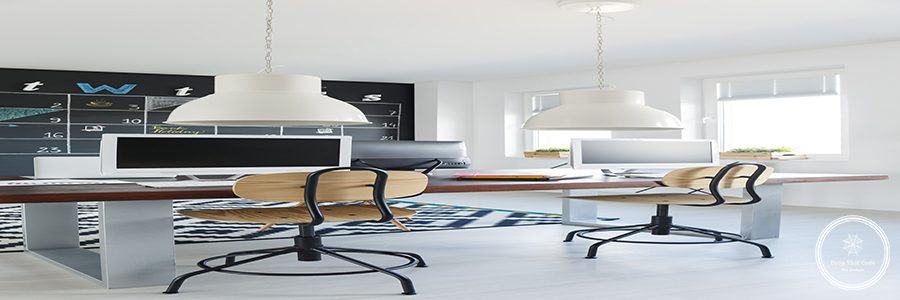
Draw inspiration from diverse styles—minimalist, modern, bold, and eclectic. Adapt elements that align with your brand and audience for a unique, engaging site.
How to Choose the Right Platform

Consider your technical skills, budget, and scalability needs. Evaluate platforms like WordPress, Wix, and Shopify for features, customization, and support.
Evaluating User Experience & Aesthetics

Balance usability and visual appeal by testing different layouts, colour schemes, and navigation structures. Gather feedback to refine your design and enhance user satisfaction.
Identifying Your Design Preferences

Reflect on your brand identity, audience, and goals to identify design preferences. Gather inspiration and test different styles to discover what resonates most.
Essential Features to Consider

Consider features like mobile responsiveness, fast load times, clear navigation, strong calls-to-action, and effective website design. Use high-quality visuals and consistent branding for maximum impact.
Navigating Popular Design Trends
Stay informed about trends like minimalism, bold typography, and immersive visuals. Adapt trends thoughtfully to enhance your site’s appeal and functionality.
Tools to Craft a Stunning Website

Use industry-leading tools like Adobe Creative Cloud, Figma, and Sketch for design. Leverage Unsplash and Pexels for imagery, and Google Fonts for typography.
Key Factors for Optimal User Experience

Prioritize fast load times, intuitive navigation, and accessible design. Gather feedback and iterate to ensure your site meets user needs and expectations.
Identifying Your Website Goals

Define your primary goal—inform, sell, or engage. Align your content, design, and functionality with this purpose for a focused, effective site.
Key Features of Successful Web Design
Define your primary goal—inform, sell, or engage. Align your content, design, and functionality with this purpose for a focused, effective site.
Choosing the Right Design Tools

Select tools that match your workflow and project needs. Evaluate features, integration options, and support resources to find the best fit.
How to Enhance User Experience and Engagement

Enhance UX by optimizing load times, simplifying navigation, and prioritizing accessibility. Use analytics to identify pain points and continuously refine your design.
Common Pitfalls and How to Avoid Them

Avoid cluttered layouts, poor mobile optimization, and inconsistent branding. Focus on simplicity, clarity, and consistency to maintain a high standard of design.
Understanding Your Audience and Goals

Analyze user data and define your goals to inform design decisions. Align your content, design, and functionality to create a focused, effective site.
Key Elements of an Effective Web Layout

Effective layouts use clear hierarchy, consistent spacing, and logical content flow. Ensure adaptability across devices and prioritize usability and accessibility.
Choosing the Right Colour Scheme for Your Brand

Select a colour scheme that reflects your brand’s personality and appeals to your audience. Use colour theory to create harmony and contrast, reinforcing your identity.
Essential Features Every Modern Site Needs

Modern sites require mobile responsiveness, fast load times, clear navigation, and strong calls-to-action. Use high-quality visuals and consistent branding for maximum impact.
Tips for Selecting the Perfect Design Agency

Research agencies’ portfolios, client reviews, and expertise. Choose an agency that understands your goals, communicates clearly, and offers ongoing support.
Key Elements of Effective Web Design
Effective web design features clear messaging, intuitive navigation, strong calls-to-action, and mobile responsiveness. High-quality visuals and consistent branding build trust and engagement.
Choosing the Right Style for Your Brand

Select a style that aligns with your brand’s personality and audience preferences. Modern, minimalist, or bold—choose the approach that best communicates your message.
Balancing Functionality and Aesthetics

Balance is achieved by integrating compelling visuals with intuitive navigation and fast load times. Test your design to ensure both form and function are optimized.
The Role of User Experience in Site Design
User experience is central to site design. Prioritize usability, accessibility, and emotional impact to create a positive, memorable experience for every visitor.
Design Trends 2025: What's Popular Now

Trends include minimalism, bold typography, immersive visuals, micro-interactions, and dark mode. Adapt trends thoughtfully to enhance your site’s appeal and functionality.
Understanding Your Website Goals

Clarify your goals—inform, sell, or engage. Align your content, design, and functionality to achieve these objectives effectively.
Key Elements of an Effective Design

Effective design features clear messaging, intuitive navigation, strong calls-to-action, and mobile responsiveness. High-quality visuals and consistent branding build trust and engagement.
Matching Design Styles with Business Types

Choose a design style that aligns with your business type and audience. Professional services may benefit from classic or minimalist styles, while creative industries can embrace bold, innovative designs.
Navigating Modern Design Trends
Stay current with trends like minimalism, bold typography, and immersive visuals. Adapt trends thoughtfully to enhance your site’s appeal and functionality.
Top Tools and Resources for Stunning Sites

Use tools like Adobe Creative Cloud, Figma, and Sketch for design. Leverage Unsplash and Pexels for imagery, and Google Fonts for typography. Stay inspired with resources like Awwwards and Smashing Magazine.
Understanding Different Web Design Styles

Explore styles from minimalist and modern to bold and eclectic. Choose a style that aligns with your brand and resonates with your audience.
Tailoring Designs to Your Business Goals

Customize your site based on your business goals and audience needs. Use analytics and feedback to inform design decisions and create a personalized experience.
Navigating User Experience and Ease of Use
Prioritize usability and accessibility in your design. Use clear navigation, fast load times, and accessible content to create a positive, memorable experience.
Tips for Choosing the Right Design Agency
Research agencies’ portfolios, client reviews, and expertise. Choose an agency that understands your goals, communicates clearly, and offers ongoing support.
Crafting Your Unique Online Aesthetic

Develop a unique aesthetic by combining brand colours, typography, and imagery. Use custom graphics and layouts to set your site apart and reflect your brand’s personality.
Key Elements of Effective Web Layouts

Effective layouts use clear hierarchy, consistent spacing, and logical content flow. Ensure adaptability across devices and prioritize usability and accessibility.
Are Mobile-Friendly Designs Essential?

Absolutely. With most users accessing sites via mobile, responsive design is non-negotiable. Use flexible grids, scalable images, and touch-friendly navigation for a seamless experience.
Enhancing User Experience: Tips and Tricks

Optimize load times, simplify navigation, and prioritize accessibility. Use analytics to identify pain points and continuously refine your design.
Visual Appeal and Functionality: Balancing Act

Balance aesthetics and functionality by integrating compelling visuals with intuitive navigation and fast load times. Test your design to ensure both form and function are optimized.
Choosing the Right Design for Your Business

Select a design that aligns with your brand, audience, and goals. Consider industry standards, audience preferences, and content strategy to make the best choice.
Understanding User Experience and Interface Design

User experience and interface design go hand in hand. Prioritize usability, accessibility, and emotional impact to create a positive, memorable experience for every visitor.
Essential Features for a Modern Website

Modern sites require mobile responsiveness, fast load times, clear navigation, and strong calls-to-action. Use high-quality visuals and consistent branding for maximum impact.
Choosing the Right Colour Scheme and Typography

Select a colour scheme and typography that reflect your brand’s personality and appeal to your audience. Use colour theory and font pairing best practices for a cohesive look.
Balancing Aesthetics with Functionality

Balance is achieved by integrating compelling visuals with intuitive navigation and fast load times. Test your design to ensure both form and function are optimized.
Comparing Popular Website Design Tools and Platforms
Compare platforms like WordPress, Wix, and Shopify for features, customization, and support. Evaluate based on your technical skills, budget, and scalability needs.
Understanding User Experience and Interfaces

User experience and interface design are interconnected. Prioritize usability, accessibility, and emotional impact to create a positive, memorable experience for every visitor.
Choosing the Right Colours and Typography

Select colours and fonts that reflect your brand’s personality and appeal to your audience. Use colour theory and font pairing best practices for a cohesive look.
Optimizing for Mobile: A Must-Have Feature

Use responsive layouts, scalable images, and touch-friendly navigation. Test your site on various devices to ensure a seamless experience for all users.
Trends in Digital Aesthetics

Digital aesthetics are shaped by trends like minimalism, bold typography, and immersive visuals. Stay informed and adapt trends thoughtfully to enhance your site’s appeal.
Frequently Asked Questions: Design Elements Explained
Q: What is responsive design?
A: Responsive design ensures your site adapts to different devices and screen sizes for a seamless user experience.
Q: Why is accessibility important?
A: Accessibility ensures your site is usable by everyone, including people with disabilities, expanding your reach and impact.
Q: How do I choose the right colour palette? A
: Select colours that reflect your brand and evoke the desired emotional response. Use colour theory for harmony and contrast.
Q: What makes a site user-friendly?
A: Clear navigation, fast load times, mobile responsiveness, and accessible design are key to user-friendliness.
Q: How often should I update my site?
A: Regularly update your site to maintain relevance, security, and optimal performance.