



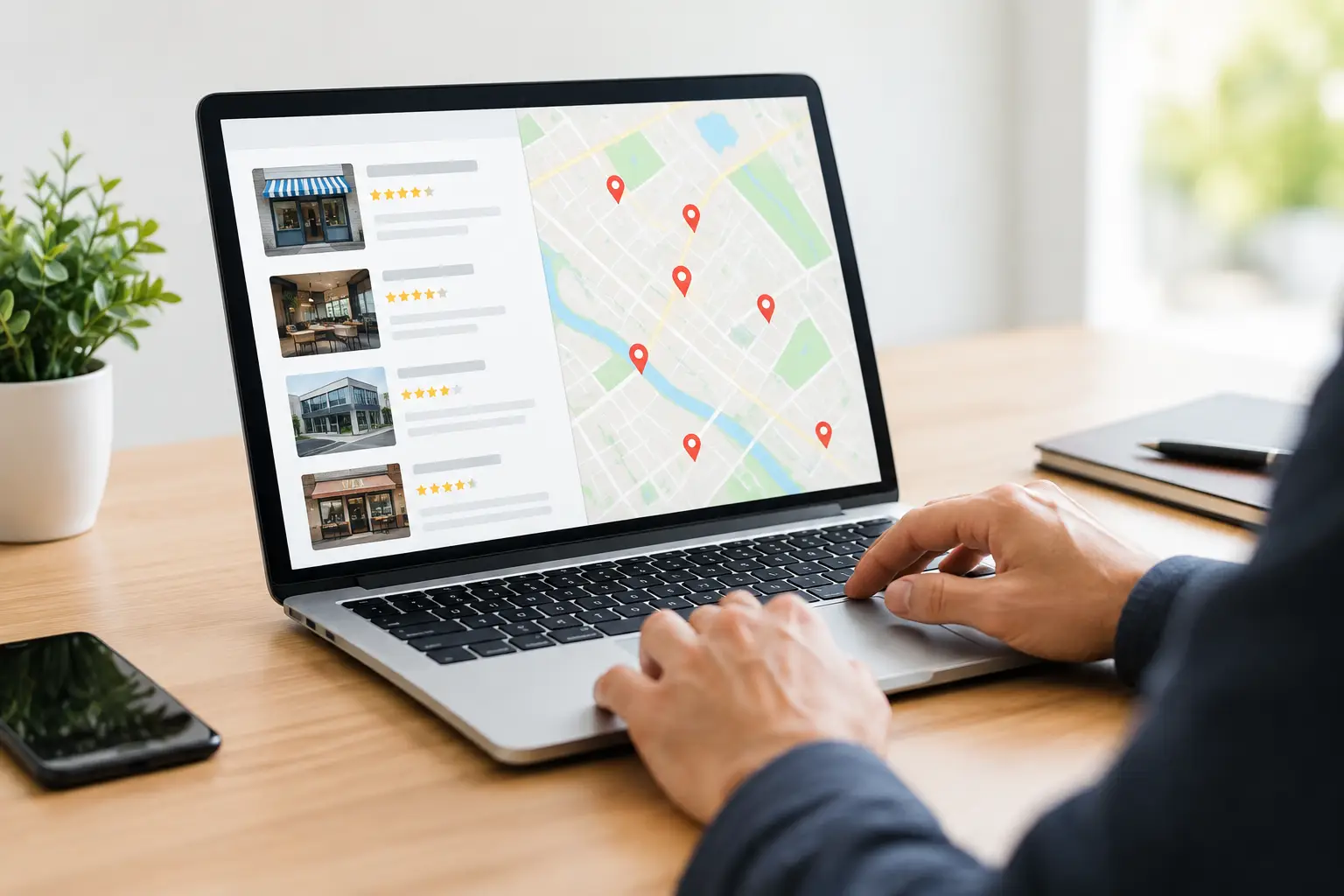
When a customer searches for an emergency plumber, a nearby clinic, or a contractor who serves their neighborhood, they are usually ready to act. If your address is wrong, your hours are outdated, or your listing has no recent reviews, that lead can go to a competitor in seconds. Learning how to optimize business listings is one of the most practical ways to improve local visibility and turn search traffic into calls, directions, bookings, and quote requests.
A business listing is not just an online directory entry. It is a trust signal for customers and a source of location, service, and relevance data for search engines. The work is not complicated, but it does require consistency. A polished website cannot fully make up for incomplete, conflicting, or neglected local listings.
Start With One Accurate Business Identity
Before adding keywords or chasing reviews, establish the core information that should appear everywhere your business is listed. This is often called NAP data: name, address, and phone number. For service businesses, it is the foundation of local SEO.
Use the exact legal or customer-facing business name you use on your website, storefront signage, invoices, and social profiles. Do not add extra keywords to the name field just to rank for more searches. A name such as “Smith Plumbing – Best Toronto Plumber” may look tempting, but it can create inconsistencies and may violate platform guidelines.
Your address, suite number, phone number, website address, and business hours should match across major platforms. If you serve customers at their location and do not accept walk-ins, set up your service area correctly rather than publishing a home address or virtual office that customers cannot visit.
This matters because search engines compare data from multiple sources. Conflicting information creates uncertainty. More importantly, it creates friction for real people. A customer who calls the wrong number or drives to an outdated location is unlikely to give your business a second chance.
How to Optimize Business Listings Where Customers Search
Google Business Profile should be the first priority for most local businesses because it influences visibility in Google Maps and local search results. However, your customers may also use Apple Maps, Bing Places, Yelp, industry directories, social platforms, booking platforms, and review sites. A restaurant, medical office, real estate professional, and home-services company will not all need the same mix of listings.
Claim the profiles that matter for your market before creating new ones. Duplicate listings are common after a move, rebrand, ownership change, or previous marketing effort. They split reviews, confuse customers, and make management harder. Request removal or consolidation where possible.
Then complete every meaningful field. The essentials include your primary category, additional categories when relevant, description, hours, holiday hours, phone number, website, service area, appointment link, and attributes. A vague category can put you in front of the wrong audience. A roofing company should not rely on a broad “contractor” category if a more specific option is available.
Choose categories based on revenue, not guesswork
Your primary category should describe the service you most want to sell and are most qualified to deliver. Additional categories can support related services, but do not select every option that seems loosely connected. Overloading a profile can dilute its relevance and create inaccurate expectations.
Think about the searches that produce your best leads. A dental clinic may prioritize its core dental category, then add services that reflect real patient needs, such as cosmetic dentistry or emergency care. A contractor may focus on the service line that drives the most profitable projects rather than the broadest possible label.
Write descriptions for customers first
Your description should quickly answer three questions: what you do, where you work, and why a customer should contact you. Use plain language. Mention important service areas naturally, but avoid repeating city names and keywords until the copy becomes hard to read.
For example, a home renovation company might explain that it handles kitchen remodels, basement finishing, and bathroom renovations for homeowners across its service area, with clear estimates and project communication. That tells customers more than a paragraph stuffed with “best renovation contractor near me.”
Add Photos That Reduce Buyer Hesitation
Listings with weak or outdated visuals often look inactive, even when the company is excellent. Photos give people evidence that you are established, professional, and relevant to the job they need done.
Use real, current images whenever possible. Exterior and interior photos help customers recognize a physical location. Team photos build familiarity. Project photos show workmanship. Product images support retailers and restaurants. Before-and-after images can work well for landscaping, renovations, detailing, restoration, and other visual services.
Quality matters, but authenticity matters too. Stock photography has a place on a website, yet a listing filled only with generic images can feel impersonal. Add photos consistently as the business changes, finishes projects, hosts events, or introduces new products. Make sure every image represents your actual business and follows platform rules.
Build a Review Process, Not a One-Time Push
Reviews influence conversion as much as visibility. A business with a complete profile and a steady stream of recent, credible reviews is easier to trust than one with ten positive reviews from four years ago.
The best time to ask is shortly after a successful customer interaction, when the value is still clear. For a contractor, that may be after the final walkthrough. For a restaurant, it may be after a positive catering order. For a clinic or professional service, follow all applicable privacy requirements and keep the request simple.
Do not buy reviews, offer incentives for positive feedback, or pressure customers to use certain wording. Those shortcuts can damage credibility and violate platform policies. Instead, create a repeatable process for requesting honest reviews by email, text, receipt follow-up, or a personal conversation.
Respond to reviews consistently. Thank customers for positive feedback without sounding automated. For negative reviews, stay calm, acknowledge the concern, avoid sharing private details, and offer a practical next step. A thoughtful response will not always change the reviewer’s mind, but future customers will see that you take service seriously.
Keep Services, Posts, and Hours Current
Many business owners set up a listing and assume it will keep working on its own. The profile may remain visible, but stale information quietly costs opportunities.
Update hours before holidays. Add new services when they become available. Remove offerings you no longer provide. If your phone system, website, menu, or booking process changes, update listings immediately. This is especially important for businesses that rely on urgent calls, seasonal demand, or appointment availability.
Google Business Profile also offers features such as services, products, updates, and questions and answers. Use the features that make sense for your business rather than treating every field as mandatory. A restaurant may benefit from current menu details and photos. A service company may get more value from detailed service descriptions, project photos, and a direct estimate request path.
The goal is not to publish activity for its own sake. The goal is to answer the questions that stop a customer from contacting you.
Connect Listings to Pages That Can Convert
A listing can earn the click, but your website needs to earn the lead. Sending every visitor to a generic homepage often creates extra work for someone looking for a specific service.
Where appropriate, direct customers to a relevant service page or location page with matching information. If your listing promotes water damage restoration, the landing page should clearly explain that service, show service areas, build trust, and make it easy to call or request help. The page should load quickly and work well on a phone, since many local searches happen on mobile devices.
Avoid creating thin pages for every neighborhood just to chase rankings. A useful location page contains real local relevance, distinct service information, proof of work, and a clear reason for customers in that area to choose you. If you cannot make it genuinely useful, a strong service page may be the better option.
Track What Happens After People Find You
Visibility is useful, but it is not the final metric. Review listing performance regularly: calls, website visits, direction requests, messages, bookings, and other available actions. Compare those actions with your website form submissions, tracked phone calls, and closed leads.
This helps you spot what needs attention. High listing views with few calls may point to weak reviews, unclear categories, poor photos, or an unconvincing website. Strong call volume but poor lead quality may mean your services or service area are too broad. The right adjustment depends on the pattern, not a generic checklist.
For businesses running paid search, accurate listings and conversion tracking matter even more. Customers often search a brand after seeing an ad. If the profile looks incomplete or the contact details conflict with the ad, paid traffic becomes harder to convert.
Treat Listing Management as Ongoing Sales Support
Business listings are not glamorous, but they often sit directly between a local search and a sales conversation. A few accurate details, current photos, clear services, and credible reviews can make the difference when a customer is choosing between two similar businesses.
Set a monthly reminder to check your most important profiles, and assign ownership to someone who can make updates quickly. The businesses that win more local leads are rarely the ones with the most complicated listing strategy. They are the ones that make it easy for the right customer to find them, trust them, and take the next step.