



- August 5, 2025
- Post by: Drop That Code
- Post by: No Comments
Understanding Push Strategy of Marketing Dynamics

Marketing dynamics encompass the ever-evolving interplay between consumer behaviour, market trends, and promotional tactics. In today’s fast-paced environment, brands must remain agile, adapting their strategies to shifting demands and technological advancements. A deep understanding of these dynamics enables marketers to anticipate changes, tailor their messaging, and leverage the most effective channels for reaching their target audience. Here we discuss the Push Strategy of Marketing in detail.
Benefits of Implementing a Push Approach

A push strategy empowers brands to proactively place their products in front of consumers, often through direct sales, trade promotions, and partnerships with retailers. This approach accelerates product movement through the distribution channel, increases brand visibility, and can rapidly generate sales. By controlling the narrative and timing, companies can outpace competitors and respond swiftly to market opportunities.
Key Tactics for Effective Promotion

Effective push promotion relies on a mix of tactics, including trade shows, in-store displays, point-of-sale materials, and special incentives for distributors and retailers. Personal selling, direct marketing, and targeted advertising campaigns also play pivotal roles. The key is to create compelling offers and experiences that motivate intermediaries and consumers to act immediately.
Overcoming Challenges in Marketing Strategies

Push strategies can face resistance from both intermediaries and consumers, especially in saturated markets, while pull marketing creates demand by crafting a brand image that naturally attracts consumers. Overcoming these challenges requires clear communication of value, robust training for sales teams, and continuous feedback loops with partners. Flexibility and data-driven adjustments ensure that campaigns remain relevant and effective.
Maximizing Reach and Engagement

To maximize reach, marketers must leverage a multi-channel approach, integrating traditional, digital, email marketing, and SEO platforms. Engagement is heightened by personalizing messages, utilizing real-time data, and fostering interactive experiences. Strategic timing and consistent follow-up are essential for sustaining interest and driving conversions.
How Push Methods Elevate Brand Visibility

Push methods thrust brands into the spotlight by ensuring products are prominently featured in retail environments and across media channels, thereby maximizing product exposure. This heightened visibility increases the likelihood of impulse purchases and strengthens brand recall. Consistent presence across touchpoints builds trust and positions the brand as a market leader.
Recognizing the Right Audience for Push Strategy of Marketing

Success hinges on identifying and targeting the most receptive audience segments. This involves analyzing demographic, psychographic, and behavioural data to pinpoint those most likely to respond to push tactics. Tailoring messages and offers to these segments enhances relevance and boosts conversion rates.
Innovative Techniques to Maximize Exposure

Innovation in push marketing includes leveraging augmented reality in retail, deploying AI-driven personalized offers, and integrating influencer partnerships for broader reach. Gamification and experiential marketing events also create memorable brand interactions, driving both exposure and engagement.
Navigating Challenges in Promotion Tactics

Common challenges include channel conflict, message fatigue, and shifting consumer preferences. Navigating these requires transparent communication with partners, regular campaign refreshes, and agile adaptation to feedback and market signals. Building strong relationships with intermediaries ensures alignment and sustained support.
The Future of Direct Marketing Approaches

The future of push strategy lies in seamless integration with digital tools, data analytics, and automation. Hyper-personalization, real-time engagement, and omnichannel coordination will define successful campaigns. As technology evolves, brands that embrace innovation and maintain a customer-centric focus will lead the way.
Understanding the Basics of Marketing Strategies

At its core, marketing strategy is the blueprint for achieving business objectives through targeted outreach, value creation, and relationship building. It involves selecting the right mix of product, price, place, and promotion to meet consumer needs and drive growth.
Key Benefits of Implementing Incentive Tactics

Incentive tactics, such as discounts, rebates, and loyalty programs, motivate both intermediaries and consumers to act. These tactics accelerate sales cycles, clear inventory, and foster long-term loyalty. When strategically deployed, incentives can differentiate a brand and create a competitive edge.
Overcoming Common Challenges in Market Implementation

Market implementation challenges often include resource constraints, misaligned incentives, and resistance to change. Overcoming these requires clear goal-setting, stakeholder buy-in, and ongoing training. Monitoring performance and being willing to pivot ensures sustained success.
Innovative Approaches to Enhance Consumer Reach

Modern marketers are leveraging social commerce, interactive content, social media, and AI-powered chatbots to extend their reach. These approaches enable real-time engagement, personalized experiences, and scalable outreach, ensuring brands connect with consumers wherever they are.
Evaluating the Impact on Consumer Demand

Measuring the impact of push strategies involves tracking sales velocity, market share growth, and customer acquisition rates. Advanced analytics provide insights into campaign effectiveness, enabling continuous optimization and stronger ROI.
Understanding the Basics of Promotional Strategies

Promotional strategies are designed to inform, persuade, and remind consumers about products and services. Push tactics focus on driving immediate action through direct engagement, while pull marketing strategies aim to create demand that draws consumers in.
How to Implement Effective Market Tactics

Effective implementation starts with clear objectives, audience insights, and a well-defined value proposition. Coordinated execution across sales, marketing, and distribution ensures consistency and maximizes impact. Regular performance reviews enable timely adjustments.
Benefits of a Forward-Thinking Selling Approach

A forward-thinking approach anticipates market shifts and embraces innovation. This mindset enables brands to stay ahead of trends, meet evolving consumer expectations, and capitalize on emerging opportunities, resulting in sustained growth and relevance.
Tips for Gaining Consumer Attention

Capture attention with bold visuals, compelling storytelling, and timely offers. Leverage social proof, influencer endorsements, and interactive content to stand out in crowded markets. Consistency and authenticity build lasting connections.
Overcoming Common Challenges; Strategies for Success

Success requires resilience and adaptability. Address challenges by fostering open communication, investing in training, and leveraging technology for efficiency. Celebrate wins and learn from setbacks to continuously improve.
Understanding the Basics of Marketing Tactics

Marketing tactics are the actionable steps taken to execute a strategy. In push marketing, these include trade promotions, direct selling, and targeted advertising. Each tactic should align with overall objectives and be tailored to the audience.
Key Components of a Successful Promotion Approach

Success hinges on clear messaging, attractive incentives, strategic timing, and seamless execution. Collaboration with partners and continuous measurement ensure campaigns deliver desired outcomes.
How This Approach Drives Consumer Engagement

Push strategies drive engagement by creating urgency and providing immediate value. Direct interactions, personalized offers, and experiential events foster deeper connections and prompt action.
Overcoming Common Barriers in Implementation

Barriers such as budget limitations, channel resistance, and market saturation can impede progress. Overcome these by prioritizing high-impact activities, building strong relationships, and maintaining flexibility.
Real-World Examples of Effective Application

Brands like Coca-Cola and Procter & Gamble have mastered push strategies through robust trade promotions and in-store displays. Tech companies often use exclusive product launches and limited-time offers to generate buzz and drive sales.
Understanding the Mechanics of Product Promotion

Product promotion involves a series of coordinated activities designed to increase awareness and drive sales. Push tactics focus on direct engagement with intermediaries and consumers, ensuring products are top-of-mind at the point of purchase.
The Role of Direct Sales in Modern Business

Direct sales remain a powerful tool for building relationships, gathering feedback, and closing deals. In today’s digital age, direct sales teams leverage technology to personalize outreach and track performance in real time.
Creating Demand: Techniques and Tools

Demand creation relies on a mix of education, incentives, and strategic partnerships. Tools such as CRM systems, marketing automation, and data analytics enable precise targeting and efficient execution.
Measuring Success; Evaluating Your Campaigns

Success is measured through key performance indicators such as sales growth, market share, and customer retention. Regular analysis of these metrics informs future strategy and ensures continuous improvement.
Adapting Strategies for Changing Consumer Behaviours

Consumer behaviours are constantly evolving. Brands must stay attuned to trends, leverage data for insights, and remain agile in their approach. Continuous learning and adaptation are essential for long-term success.
Understanding the Dynamics of Market Outreach

Market outreach involves proactively engaging potential customers through targeted campaigns and partnerships. Push strategies excel in creating immediate awareness and driving action, especially in competitive markets.
How to Propel Your Brand Using Effective Strategies

Propel your brand by combining push tactics with innovative messaging, strategic partnerships, and data-driven decision-making. Consistency and agility are key to maintaining momentum and achieving sustained growth.
Leveraging Demand: Encouraging Consumer Engagement

Leverage demand by creating compelling offers, fostering community, and providing exceptional experiences. Engage consumers through multiple touchpoints and encourage feedback to build loyalty.
Key Elements for a Successful Implementation

Success requires clear objectives, stakeholder alignment, robust execution plans, and ongoing measurement. Flexibility and a willingness to iterate ensure strategies remain effective in dynamic markets.
Common Challenges and How to Overcome Them

Challenges such as channel conflict, resource constraints, and shifting consumer preferences are common. Overcome them by fostering collaboration, investing in technology, and maintaining a customer-centric focus.
The Basics: What is a Push Strategy?

A push strategy involves actively promoting products to intermediaries and consumers, rather than waiting for demand to arise. It relies on direct engagement, incentives, and strategic partnerships to drive sales and increase market presence.
How Push Techniques Drive Sales

Push techniques accelerate sales by placing products directly in front of consumers and incentivizing intermediaries to prioritize them. This approach creates urgency, increases visibility, and drives immediate action.
Advantages Over Pull Marketing

Push marketing offers greater control over timing and messaging, enabling rapid response to market opportunities. It is particularly effective for new product launches, seasonal promotions, and markets with high competition.
Implementing Push Tactics Effectively

Effective implementation requires clear goals, targeted messaging, and strong partnerships with distributors and retailers. Regular training, performance tracking, and agile adjustments ensure sustained success.
Real-World Success Stories

Brands like Samsung and Unilever have leveraged push strategies to dominate shelf space and drive rapid sales growth. Their success is rooted in robust trade promotions, strategic partnerships, and relentless execution.
Understanding the Basics of Promotional Tactics

Promotional tactics are the specific actions taken to generate interest and drive sales. In push marketing, these include trade discounts, in-store displays, and direct outreach to retailers and consumers.
Key Benefits of Driving Demand

Driving demand through push strategies results in faster sales cycles, increased market share, and enhanced brand visibility. It also enables brands to influence consumer choice at the point of purchase.
Effective Channels for Product Promotion

Effective channels include retail partnerships, direct sales teams, online marketplaces, and targeted advertising. The choice of channel depends on the product, target audience, and market dynamics.
Real-World Examples: Strategies in Action

Apple’s product launches, featuring exclusive retail partnerships and high-impact advertising, exemplify push strategy in action. FMCG brands often use trade promotions and in-store displays to capture consumer attention.
Overcoming Common Challenges in Implementation

Implementation challenges can include misaligned incentives, channel resistance, and resource limitations. Address these by fostering collaboration, providing training, and leveraging technology for efficiency.
Understanding How Push Tactics Function

Push tactics function by proactively placing products in front of consumers and intermediaries, creating immediate awareness and driving action. This approach is most effective when combined with compelling offers and strategic timing.
The Benefits of Implementing a Proactive Approach

A proactive approach enables brands to shape market perceptions, respond quickly to opportunities, and maintain a competitive edge. It fosters innovation and ensures sustained relevance in dynamic markets.
Exploring Key Techniques for Successful Promotion

Key techniques include trade promotions, exclusive product launches, targeted advertising, and experiential marketing. Success depends on aligning these techniques with audience needs and market conditions.
Case Studies: Real-World Applications; Strategies that Worked

Nike’s limited-edition product drops and Coca-Cola’s in-store promotions are prime examples of successful push strategies. These campaigns generated buzz, drove immediate sales, and strengthened brand loyalty.
Common Missteps and How to Avoid Them

Common missteps include neglecting channel relationships, over-reliance on discounts, and failing to measure results. Avoid these by prioritizing partnership, balancing incentives, and maintaining a data-driven approach.
Understanding the Basics of Push Marketing

Push marketing is about taking initiative—actively promoting products through direct channels to ensure they reach the consumer quickly. It’s a hands-on approach that requires coordination, creativity, and persistence.
Exploring Benefits for Businesses

Businesses benefit from push strategies through increased sales velocity, improved inventory turnover, and enhanced brand visibility. This approach also provides valuable market feedback and strengthens channel relationships.
Key Tactics for Successful Implementation

Success hinges on clear communication, attractive incentives, robust training, and continuous performance monitoring. Collaboration with partners and agility in execution are essential.
Overcoming Common Challenges

Challenges such as channel resistance and market saturation can be overcome by fostering strong relationships, offering unique value, and maintaining flexibility in tactics.
Real-World Applications and Case Studies

Consumer electronics brands often use push strategies to secure prime shelf space and drive rapid adoption. Automotive companies leverage dealer incentives to accelerate sales and gain market share.
Understanding Push Versus Pull Tactics

Push tactics involve actively promoting products to the market, while pull tactics focus on creating demand that draws consumers in. Pull marketing plays a crucial role in developing a consumer base eager to seek out products. Both approaches have their place, and the most successful brands integrate elements of each.
The Role of Incentives in Boosting Sales

Incentives such as discounts, bonuses, and exclusive offers motivate both intermediaries and consumers to act. They are a cornerstone of effective push strategies, driving immediate results.
How Distribution Channels Influence Strategy

Distribution channels determine how and where products reach consumers. Selecting the right channels and building strong partnerships are critical for maximizing reach and impact.
Advantages and Challenges of Pushing Products

Advantages include rapid market penetration and increased control over messaging. Challenges involve managing channel relationships and avoiding over-saturation. Balance and strategic planning are key.
Real-World Examples: Success Stories in Marketing

Brands like PepsiCo and Microsoft have used push strategies to launch new products and capture market share. Their success is built on robust partnerships, compelling promotions, and relentless execution.
Understanding How Push Techniques Drive Demand

Push techniques create demand by ensuring products are visible, accessible, and top-of-mind at the point of purchase. This approach is particularly effective for new or seasonal products.
Key Components of a Successful Promotion Plan

A successful plan includes clear objectives, targeted messaging, strategic incentives, and robust measurement. Collaboration and agility ensure sustained impact.
Engaging Customers Through Strategic Outreach

Strategic outreach involves personalized communication, email marketing, timely offers, and interactive experiences. Engaging customers at multiple touchpoints builds loyalty and drives action.
Evaluating the Benefits: Is It Right for Your Brand?

Evaluate the fit by considering your product, market, and objectives. Push strategies are ideal for new launches, competitive markets, and situations requiring rapid sales growth.
Case Studies: Real-World Applications and Success Stories

FMCG brands often use push strategies to dominate shelf space and drive rapid sales. Tech companies leverage exclusive launches and targeted promotions to generate buzz and capture market share.
Understanding the Dynamics of Consumer Engagement

Consumer engagement is driven by relevance, personalization, and value. Push strategies excel at creating immediate connections and prompting action through direct interaction.
Effective Techniques to Propel Sales

Techniques include trade promotions, limited-time offers, exclusive product launches, and experiential marketing. Success depends on aligning tactics with audience needs and market conditions.
Key Differences Between Push and Pull Tactics

Push tactics focus on direct promotion and immediate action, often leveraging social media to reach a wide audience, while pull marketing strategies aim to create demand and draw consumers in. The most effective strategies often blend both approaches.
How to Measure Success and Boost ROI

Measure success through sales growth, market share, and customer retention. Boost ROI by optimizing campaigns based on data, refining targeting, and leveraging technology for efficiency.
Future Trends Shaping This Marketing Approach

Future trends include increased personalization, integration of AI and automation, and seamless omnichannel experiences. Brands that embrace innovation and maintain a customer-centric focus will thrive.
Understanding the Basics: How Push Strategies Work

Push strategies work by proactively promoting products through direct channels, ensuring they reach consumers quickly and efficiently. This approach relies on strong partnerships and compelling offers.
Exploring the Advantages of this Marketing Approach

Advantages include rapid sales growth, increased visibility, and greater control over messaging. Push strategies are particularly effective for new launches and competitive markets.
Tips for Implementing Effective Tactics

Start with clear objectives, robust audience insights, and a compelling value proposition. Coordinate execution across channels, monitor performance, and remain agile in your approach.
Comparing Push vs. Pull: Key Differences

Push strategies drive immediate action through direct promotion, boosting product exposure, while pull strategies create demand that draws consumers in. Both have unique advantages and are often most effective when used together.
Leveraging Technology in Promotion Strategies

Technology enables precise targeting, real-time engagement, and efficient execution. Leverage CRM systems, marketing automation, and data analytics to optimize push campaigns and maximize impact.
Understanding the Basics of Marketing Strategy

Marketing strategy is the foundation for achieving business goals through targeted outreach, value creation, and relationship building. Push strategies are a vital component of a comprehensive plan.
Key Benefits of Implementing a Push Approach
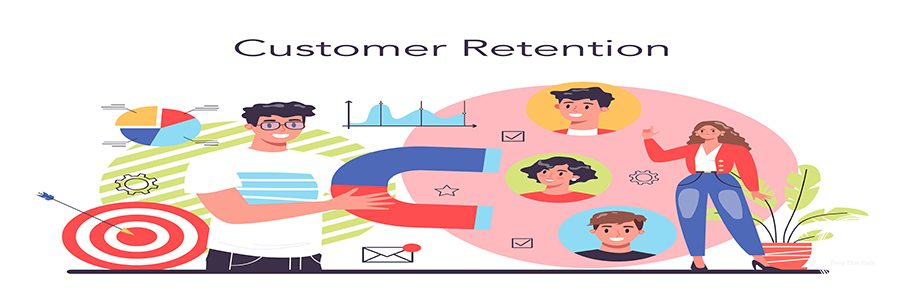
Push approaches accelerate sales, increase brand visibility, and provide valuable market feedback, while pull marketing focuses on creating demand that naturally attracts consumers. They enable brands to control the narrative and respond quickly to opportunities.
Tools and Techniques for Effective Promotion

Effective tools include CRM systems, marketing automation platforms, and data analytics. Techniques range from trade promotions and direct selling to experiential marketing and influencer partnerships.
Real-World Examples and Case Studies

Brands like Nestlé and Sony have leveraged push strategies to secure prime retail placement and drive rapid sales growth. Their success is built on strong partnerships, compelling promotions, and relentless execution.
Overcoming Challenges in Strategy Execution

Execution challenges can include resource constraints, channel resistance, and shifting consumer preferences. Overcome these by fostering collaboration, investing in training, and leveraging technology for efficiency.
How Push Tactics Drive Sales Growth

Push tactics drive sales growth by ensuring products are visible, accessible, and top-of-mind at the point of purchase. This approach creates urgency and prompts immediate action.
Closing the Gap Between Brand and Consumer

Push strategies close the gap by facilitating direct engagement, personalized offers, and timely communication. This fosters stronger relationships and drives loyalty.
Leveraging Channels for Maximum Impact

Maximize impact by selecting the right channels, building strong partnerships, and coordinating campaigns across touchpoints. Consistency and agility are key to sustained success.
Challenges and Solutions; Navigating a Push Approach

Challenges include channel conflict, message fatigue, and resource limitations. Solutions involve transparent communication, regular campaign refreshes, and agile adaptation to feedback.
Future Trends in Marketing Strategies

Future trends include increased personalization, integration of AI, and seamless omnichannel experiences. Brands that embrace innovation and maintain a customer-centric focus will lead the way.
Understanding the Dynamics of Market Strategies

Market strategies are shaped by consumer behaviour, competitive landscape, and technological advancements. Push strategies enable brands to proactively shape market perceptions and drive action.
Key Benefits of a Direct Promotional Approach

Retail environments influence consumer decisions through product placement, in-store promotions, and experiential displays. Push strategies ensure products are prominently featured and top-of-mind.
How Retail Environments Impact Consumer Decisions

Retail environments influence consumer decisions through product placement, in-store promotions, and experiential displays. Push strategies ensure products are prominently featured and top-of-mind.
Strategies for Boosting Product Awareness

Boost awareness through targeted advertising, trade promotions, influencer partnerships, and experiential marketing while optimizing for SEO. Consistency and creativity are key to standing out in crowded markets.
Overcoming Challenges in Direct Marketing Tactics

Challenges include message fatigue, channel resistance, and shifting consumer preferences. Overcome these by refreshing campaigns, fostering collaboration, and leveraging data for insights.
Understanding Consumer Targeting Techniques

Effective targeting relies on demographic, psychographic, and behavioural data. Personalization and segmentation ensure messages resonate and drive action.
The Role of Product Promotions in Strategy

Product promotions create urgency, drive immediate sales, and increase brand visibility. They are a cornerstone of effective push strategies, especially for new or seasonal products.
Navigating Distribution Channels Effectively

Effective navigation requires strong partnerships, clear communication, and alignment of incentives. Regular performance reviews and agile adjustments ensure sustained success.
Advantages and Challenges; A Balanced Perspective

Push strategies offer rapid sales growth and increased control but require careful management of channel relationships and resources. Balance and strategic planning are essential.
Enhancing Brand Visibility Through Active Strategies

Active strategies, such as trade promotions and experiential marketing, ensure brands are consistently visible and top-of-mind. This drives awareness, engagement, and loyalty.
Understanding the Dynamics of Demand Creation

Demand creation involves educating consumers, offering incentives, and leveraging partnerships. Push strategies excel at generating immediate interest and driving action.
How to Implement a Forward-Thinking Approach

Stay ahead by embracing innovation, leveraging data, and maintaining agility. Continuous learning and adaptation ensure sustained relevance and growth.
Boosting Brand Presence in Competitive Markets

Stand out by combining push tactics with creative messaging, strategic partnerships, and data-driven decision-making. Consistency and agility are key to maintaining momentum.
Operational Tactics for Effective Audience Reach

Operational tactics include targeted outreach, personalized offers, and coordinated execution across channels. Efficiency and agility ensure maximum impact.
Measuring Success: Key Metrics and Outcomes

Track sales growth, market share, customer retention, and campaign ROI. Regular analysis informs future strategy and ensures continuous improvement.
Understanding the Mechanics: How Push Techniques Work

Push techniques work by proactively promoting products through direct channels, ensuring they reach consumers quickly and efficiently. Strong partnerships and compelling offers are essential.
Key Elements of a Successful Campaign

Success requires clear objectives, targeted messaging, strategic incentives, and robust measurement. Collaboration and agility ensure sustained impact.
Benefits of a Proactive Marketing Approach

A proactive approach enables brands to shape market perceptions, respond quickly to opportunities, and maintain a competitive edge. It fosters innovation and ensures sustained relevance.
Overcoming Challenges in Persuasion

Persuasion challenges can be overcome by understanding audience needs, crafting compelling messages, and leveraging social proof. Continuous learning and adaptation are essential.
Real-World Examples That Inspire

Brands like Tesla and Red Bull have inspired markets with bold push strategies, leveraging social media, exclusive launches, experiential events, and relentless execution to drive rapid growth.
Understanding the Essentials: A Comprehensive Guide

A comprehensive understanding of push strategy involves mastering tactics, building strong partnerships, leveraging technology, and maintaining agility. Continuous learning and adaptation ensure long-term success.
How to Reach Consumers Effectively

Reach consumers through targeted outreach, personalized offers, and engaging experiences. Leverage multiple channels and maintain consistency for maximum impact.
Innovative Approaches to Drive Demand

Innovative approaches include AI-driven personalization, experiential marketing, and influencer partnerships. These tactics create memorable interactions and drive immediate action.
Maximizing Impact by Leveraging Channels

Maximize impact by selecting the right channels, building strong partnerships, and coordinating campaigns across touchpoints. Consistency and agility are key to sustained success.
Analyzing Success Metrics: What to Measure and Why

Measure sales growth, market share, customer retention, and campaign ROI. These metrics provide insights into effectiveness and inform future strategy.
Understanding Market Demands and Supply Dynamics

Market demand and supply dynamics shape strategy. Push tactics enable brands to respond quickly to shifts, ensuring products are available and visible when and where they are needed.
Crafting Influence: The Role of Sales Promotions

Sales promotions influence consumer behaviour by creating urgency and providing immediate value. They are a cornerstone of effective push strategies, driving rapid sales and increasing brand visibility.
Strategic Partnerships and Their Impact

Strategic partnerships amplify reach, enhance credibility, and enable resource sharing. Strong partnerships are essential for successful push strategies and sustained growth.
Boosting Brand Visibility Through Advertising

Advertising increases brand visibility, drives awareness, and supports push strategies by leveraging SEO to ensure products are top-of-mind at the point of purchase.
Navigating Challenges; Maximizing Opportunities

Navigate challenges by fostering collaboration, maintaining flexibility, and leveraging technology. Maximize opportunities by staying attuned to market trends and consumer needs.
Understanding Marketing Push Tactics

Push tactics involve proactive promotion through direct channels, ensuring products reach consumers quickly and efficiently. Strong partnerships and compelling offers are essential.
Key Benefits of Leveraging Push Techniques

Push techniques accelerate sales, increase brand visibility, and provide valuable market feedback. They enable brands to control the narrative and respond quickly to opportunities.
Implementing Effective Push Campaigns

Effective campaigns require clear objectives, targeted messaging, strong partnerships, and continuous measurement. Agility and collaboration ensure sustained success.
Overcoming Common Challenges in Push Approaches

Challenges include channel resistance, resource constraints, and market saturation. Overcome these by fostering collaboration, offering unique value, and maintaining flexibility.
Future Trends: Where Push Strategy is Heading

Future trends include increased personalization, integration of AI, and seamless omnichannel experiences. Brands that embrace innovation and maintain a customer-centric focus will thrive.
Understanding the Basics of Promotion Strategies
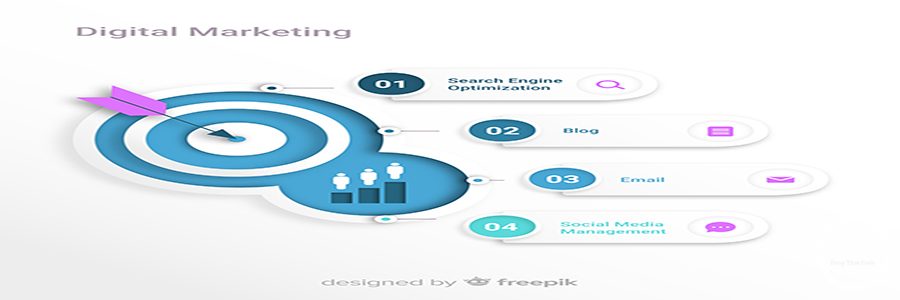
Promotion strategies are designed to inform, persuade, and remind consumers about products and services. Push tactics focus on driving immediate action through direct engagement.
Key Benefits of Using a Push Approach
Push approaches accelerate sales, increase brand visibility, and provide valuable market feedback. They enable brands to control the narrative and respond quickly to opportunities.
How to Effectively Implement Push Tactics

Start with clear objectives, robust audience insights, and a compelling value proposition. Coordinate execution across channels, monitor performance, and remain agile in your approach.
Overcoming Common Challenges; Adapting for Success
Challenges include channel resistance, resource constraints, and shifting consumer preferences. Adapt by fostering collaboration, investing in training, and leveraging technology for efficiency.
Future Trends in Marketing Techniques

Future trends include increased personalization, integration of AI, and seamless omnichannel experiences. Brands that embrace innovation and maintain a customer-centric focus will lead the way.
Understanding the Framework of Push Strategies

The framework involves clear objectives, targeted messaging, strategic incentives, and robust measurement. Collaboration and agility ensure sustained impact.
Advantages of Implementing Push Tactics

Advantages include rapid sales growth, increased visibility, and greater control over messaging. Push strategies are particularly effective for new launches and competitive markets.
Key Differences Between Push and Pull Approaches
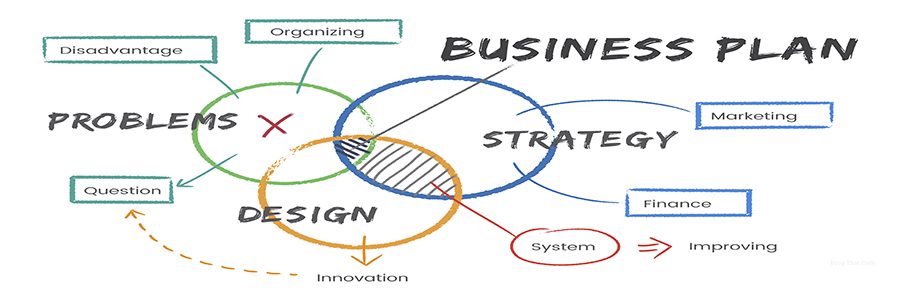
Push approaches drive immediate action through direct promotion, while pull marketing approaches create demand that draws consumers in. Both have unique advantages and are often most effective when used together.
Real-World Examples: Success Stories

Brands like Samsung and Unilever have leveraged push strategies to dominate shelf space and drive rapid sales growth. Their success is rooted in robust trade promotions, strategic partnerships, and relentless execution.
How Push Strategies Can Drive Sales

Push strategies drive sales by ensuring products are visible, accessible, and top-of-mind at the point of purchase, maximizing product exposure. This approach creates urgency and prompts immediate action.
Understanding Key Elements of Outbound Marketing

Outbound marketing involves proactive outreach to potential customers through channels such as direct mail, telemarketing, and email marketing. Push strategies are a key component of outbound efforts.
The Role of Distribution Channels in Reaching Customers

Outbound marketing involves proactive outreach to potential customers through channels such as direct mail, telemarketing, and email marketing. Push strategies are a key component of outbound efforts.
Crafting a Compelling Message to Drive Consumer Action

A compelling message is clear, relevant, and action-oriented. It addresses consumer needs, highlights unique value, and creates urgency to act.
Boosting Sales: Proven Techniques to Propel Your Campaign

Proven techniques include trade promotions, limited-time offers, exclusive product launches, and experiential marketing. Success depends on aligning tactics with audience needs and market conditions.
Measuring Success; Analysing Key Metrics for Effective Tactics

Measure sales growth, market share, customer retention, and campaign ROI. Regular analysis informs future strategy and ensures continuous improvement.